
Transforming our current energy system is both urgent and essential. Our dependence on fossil fuels has put our ecological balance at risk and, consequently, our own survival. Accelerating the transition to renewable and climate-neutral energy sources is crucial to securing a sustainable future and preventing further severe environmental disruption.

However, the infrastructure and technologies required for the energy transition, such as solar panels, wind turbines, and batteries for electric mobility, depend on the mining of a wide range of minerals. These are known as critical minerals (or materials), so called not only for their strategic importance to the energy transition, but also for the complex environmental, social, and geopolitical challenges linked to their extraction and processing.
A large part of these processes take place in countries of the Global South, particularly in parts of Asia, Africa, and Latin America. Although these activities have a role in advancing the energy transition, in many cases, they continue to replicate patterns associated with fossil fuel industries: environmental degradation, the disruption of local livelihoods, human rights violations, and the failure to adequately consult and respect Indigenous communities, among other concerns.
According to the United Nations Environment Programme, more than twenty minerals are required for energy technologies. How can we do it better?
In our new video series, our intern María Paula Feliciano Acero focuses on Latin America to examine these critical minerals and their role in the energy transition, as well as the implications of replicating fossil fuel practices in their extraction.
Featuring four guest speakers from Germany and Latin America, the series explores why this region is particularly interesting in this context, the main concerns surrounding critical mineral extraction, the environmental and human rights issues associated with its mining, the resistance led by women and local communities, and what can be done to ensure that mineral extraction, and, consequently, the energy transition, becomes more just and equitable for all.
Remember: everything we use comes from somewhere, but we can always do something to make it right.
Episode 1: Introduction
Many of the materials we rely on for the energy transition come from around the world, and Latin America is a key region. While advancing our energy transition, we must ensure it does not harm the environment or the communities living there. This video introduces our series “Energy Transition and Human Rights in Latin America: The Critical Minerals” and make us think: What do we know about Latin America? Why is my energy consumption linked with it?
#Energytransition and #HumanRights in #latinamerica : The #criticalminerals - Introduction - Heinrich Böll Stiftung Baden-Württemberg
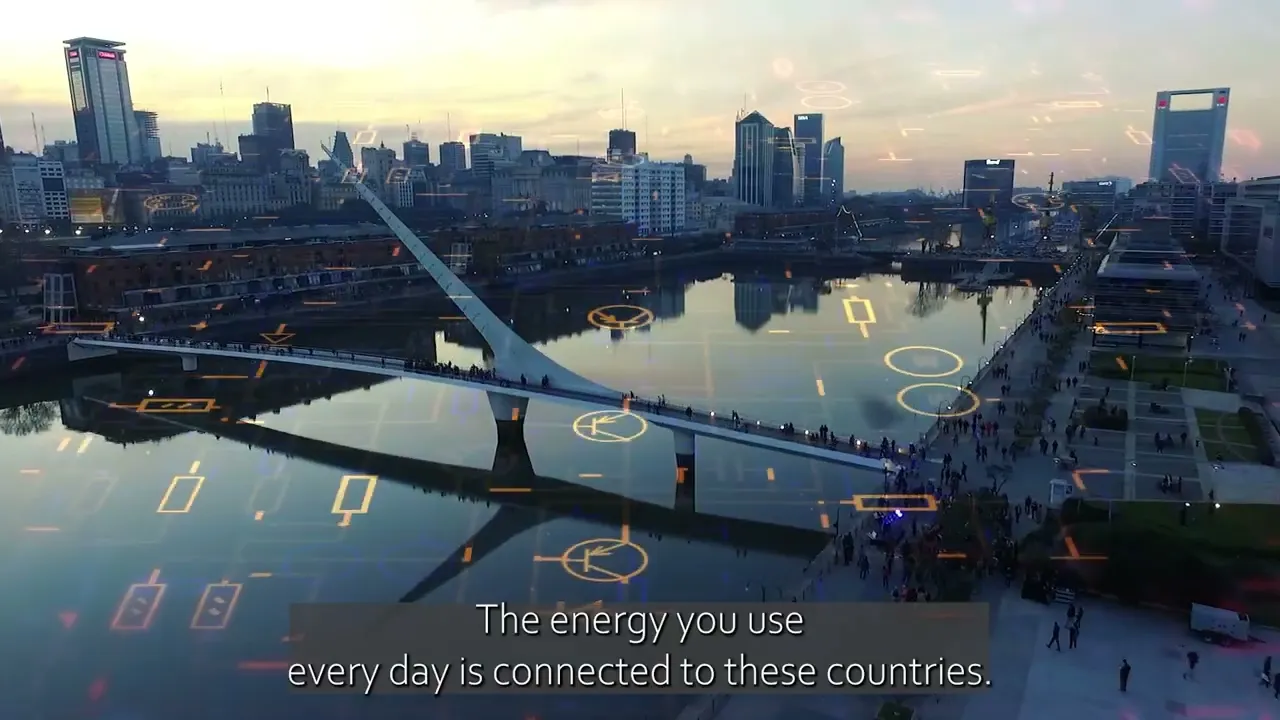 Watch on YouTube
Episode 2: The Hunger for Critical Minerals in the Energy Transition and Latin America
We often don’t think about what’s inside the things we use every day. Do you know what’s in the battery of your phone or the solar panel on your neighbor’s roof? Many of these components are made of what are called critical minerals. In the second video of our series “Energy Transition and Human Rights in Latin America: The Critical Minerals”, we explain what they are, where they come from, and some of the challenges linked to their extraction.
Episode 2: The Hunger for #criticalminerals in the Energy Transition and Latin America - Heinrich Böll Stiftung Baden-Württemberg
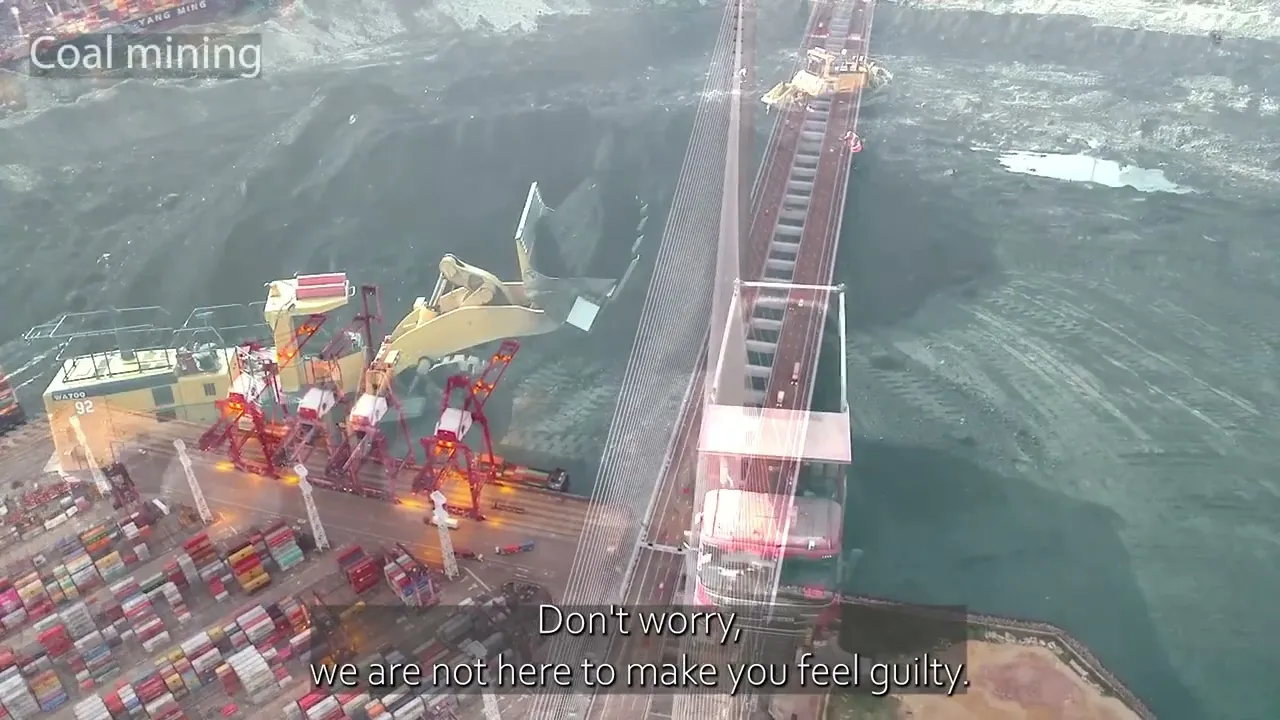 Watch on YouTube